Thursday, September 19, 2024
Half of What You Think You Don’t Know from James W. Ziskin
Wednesday, September 18, 2024
Guest Post by John Lansing
This week I asked my good friend and terrific author John Lansing to drop by and do a guest post. John's the author of the highly-rated Jack Bertolino series. His new novel Mia has just been released, it's highly recommended, and you can check out his website for more details.
State how long you've been writing, and what advice would you give to your younger self before you turned professional?
I was a late-comer to writing. I had already spent about 20 years as a working actor. Life happens, and I began writing sometime around 1989. I never expected to have a second career. I always thought I’d die in my elder years on a Broadway stage.
I never intended to be a writer. I never studied it at school, never dreamed about it when I was a kid. I was taking courses in directing at UCLA Extension and in the process, I committed to directing a short film. A dear friend was going to write the script. I had the crew in place and my friend got sick. Really sick. I had to come up with something in a short period of time or give up the project. That wasn’t going to happen. I picked up a yellow pad, sat at my desk, and gave it a shot. In the process I discovered I had the skill set.
Once I started writing, I never looked back. For the first time in my life, I was creating story instead of interpreting. Little did I know that the character’s I played on stage and in front of a camera helped me understand the emotional roadmap I needed to create complex characters. And the scripts and books I had read through the years helped me move forward.
I can’t say the transition to a new career was stress free. It was a hard business. It’s still a hard business. But I was fortunate to have a terrific writing partner, Bruce Cervi, who’d been a working writer for years and helped me through the process. My first produced television show was in 1991. It was called “Shades of L.A. and I co-wrote the script with Bruce.
The first time I walked onto the set – we were shooting at Vasquez Rocks – and I saw the crew setting up for the first shot of the day, my heart started pounding and I couldn’t stop smiling. And when I heard the director shout “Action,” I was sold. I felt I had a real shot in this career.
I was a worrier as an actor, and it’s something I carried over into my new endeavor. If I had any advice to give myself as a young writer it would be not to waste time worrying. Those are hours and days you never get back. Just keep reading, and writing. Enjoy the process. When you’re in the zone, and your characters come alive and start telling you the moves they need to make, time stands still, and life is perfect.
I was also told by a wise friend when I started my writing career, “If you can’t collaborate, don’t go into the television business.”
One of the things I love about writing is that you don’t need permission to write a book. You don’t need a publisher, or a producer, or an agent. You just need a good story, you need to keep writing, and get to “The End.” And then…you start rewriting.
Tuesday, September 17, 2024
Retro Advice
Terry here, answering our question of the week: State how long you’ve been writing, and what advice would you give to your younger self before you turned professional?
Monday, September 16, 2024
You've Been Writing How Long?
State how long you’ve been writing, and what advice would you give to your younger self before you turned professional?
Friday, September 13, 2024
Some Old White Guy, by Josh Stallings
Q: Your thoughts on authors asked to write Content/Trigger Warnings for their novels?
A: Old school Josh used to think these were silly. “Come on man, they’re just words.” The title of my first book was Beautiful Naked & Dead, if that title doesn’t upset you the content shouldn’t. That’s what I thought then. I also thought if I’m not afraid walking anywhere in the world you shouldn’t be either.
I’ve grown up some since then. Here are a couple of events that helped me.
In the early part of the Tump presidency my wife and most of my closest female friends were universally pissed off at men. I took it personally. Hell I was often the only man in the room where they were railing against men. So taking it personally seemed logical. Ultimately I was forced to either believe all these smart wonderful women were trying to hurt me… OR, I needed to do some deeper learning. It always comes down to learning. Luckily as an autodidactic I have spent my life taking deep dives to eradicate my ignorance on a wide range of subjects.
When asked, my wife put it like this; when America elected Trump, she realized that she knew some men in this country viewed her gender with disdain, and as prey. She didn’t know enough people hated her gender to elect a proven misogynist rapist. Misogynist rapist is my term, she would point out that the statement is redundant. Rape is about power and anger. All rape is misogynist by definition.The women I know feel unsafe in most public places and have since they were young girls. They don’t get into their own car or any car without checking the back seat, and immediately locking the door once inside. If Trump’s position as the Republican nominee in 2024 made them feel vulnerable, his choice of J.D. Vance as a running mate made them feel even more unsafe. It isn’t because they’re fearful people. It is because they have had to live with these realities from early childhood.
Here are some facts from the National Sexual Violence Resource Center, facts my wife and others knew and I being a 6’4 white male had to learn:
One in five women in the United States experienced completed or attempted rape during their lifetime.
Nearly a quarter (24.8%) of men in the U.S. experienced some form of contact sexual violence in their lifetime.
Nationwide, 81% of women and 43% of men reported experiencing some form of sexual harassment and/or assault in their lifetime.
About one in four male victims of completed or attempted rape first experienced it between the ages of 11 and 17.
One in three female victims of completed or attempted rape experienced it for the first time between the ages of 11 and 17.
The numbers are actually higher, these are based on people willing to admit to sexual assaults. And with the way our culture blames victims I can see why many would lock what happened deep in their psyche.
When ONE MORE BODY, the third and final Moses McGuire book came out I did an interview with Amber Love on her podcast Vodka O’clock. When posted she added, “TRIGGER warning because of the discussion we have about his research in guerrilla prostitution which means raping kidnapped girls/women until they comply.”
Vodka O’Clock https://www.amberunmasked.com/?s=Josh+Stallings
Although I wouldn’t have thought to do this, I was glad she did. I carefully research what I write, BUT I don’t research who might read it. I never want stories I tell to trigger an unwanted emotional reaction. They used to say about PTSD that the best medicine was to walk through the trauma again and again. That is turning out to be false. Unless someone helps guide you through it with loving and gentle kindness you are more likely to re-traumatize the person than to help them. So I guess I come down on the side of, if anyone thinks there should be a trigger warning, we as authors need to look deeply into it. I’m not saying we should always put them on our work just because someone says we should, but we owe it our readers to investigate the why of the matter.
Multiple paragraphs ago I said there was more than one event that helped me grow. When the BLM movement rose up, I was excited. I was raised by civil rights activists. I was taught early about how our country treated its citizens of color. And yet when angry voices yelled about those fucking old white men, I took it personal. I admit my public face was, hell yes! While privately I thought, hey I’m one of the good guys, and isn’t it a little ironic to yell about racism while attacking all us white men like we are a monolith? What I hear is all humans have inherent dignity and worth, except you old white men, you? not so much. Listening as my better self, I see that the folks who say these things are more nuanced in their thinking. They aren’t saying all old white men are the root of their problems, the term Old White Men is shorthand for anger about a certain kind of person. I’m not egotistical enough to think they meant me directly. I also know I have a part to play here. I have worked hard to understand white privilege. And I needed to dig deeper.
People love nonviolent activists in part because they are nonthreatening. It took Malcolm to open a door, and armed Black Panthers to keep it open. After the murder of Harvey Milk gay men and allies rioted in San Fransisco. By smashing glass and topping cop cars they made clear they were done taking it. It has taken authors yelling, tweeting, and threatening to walk away from writers conventions and organizations to see change. It took anger to get the MWA to see why the DA who railroaded the Central Park Exonerated Five had no place at the Edgars. It took the same noise to convince Bouchercon that Otto Penzler had no place on our stage. It should have been obvious. But many of us old white folk need to educate ourselves.
It took removing Otto Penzler as editor of Best American Mystery Stories to discover there were in fact lots of great stories being written by both women and writers of color. Otto Penzler said he’d publish women if any were good enough writers to be published. Yes that is crackpot looney tunes crazy. But the fact a powerful man in publishing said it out loud tells me how deep this shit runs.
Steph Cha is the editor of Best American Mystery Stories. Award winning best selling author S. A. Cosby is the 2024 guest editor. S.A Cosby is an amazing man, kind and generous. I am glad we live in a time where he is recognized and held up for his work. Things are changing. Too slowly. But changing.
If my small part in bringing true equal rights for all citizens of this world is to educate myself, speak about what I learn honestly, and be supportive to those struggling, I can commit to that.
I realize as a big old white viking I have gone through life without much worry that what I said, where I went, or how I looked could get me assaulted or killed. I don’t need trigger warnings. But I’m aware enough to see that many others do. We mostly put these trigger warnings on abusive sexual content. I would like to propose we think about doing the same for gun violence. It is the number one killer of young people in the USA. Given that a generation of readers are likely to have been traumatized by firearms, we may want to warn them if they show up in our work. What about trigger warnings for writer’s racist language?
We have the right to write about anything we want, and readers have the right to not be hurt by reading our words.
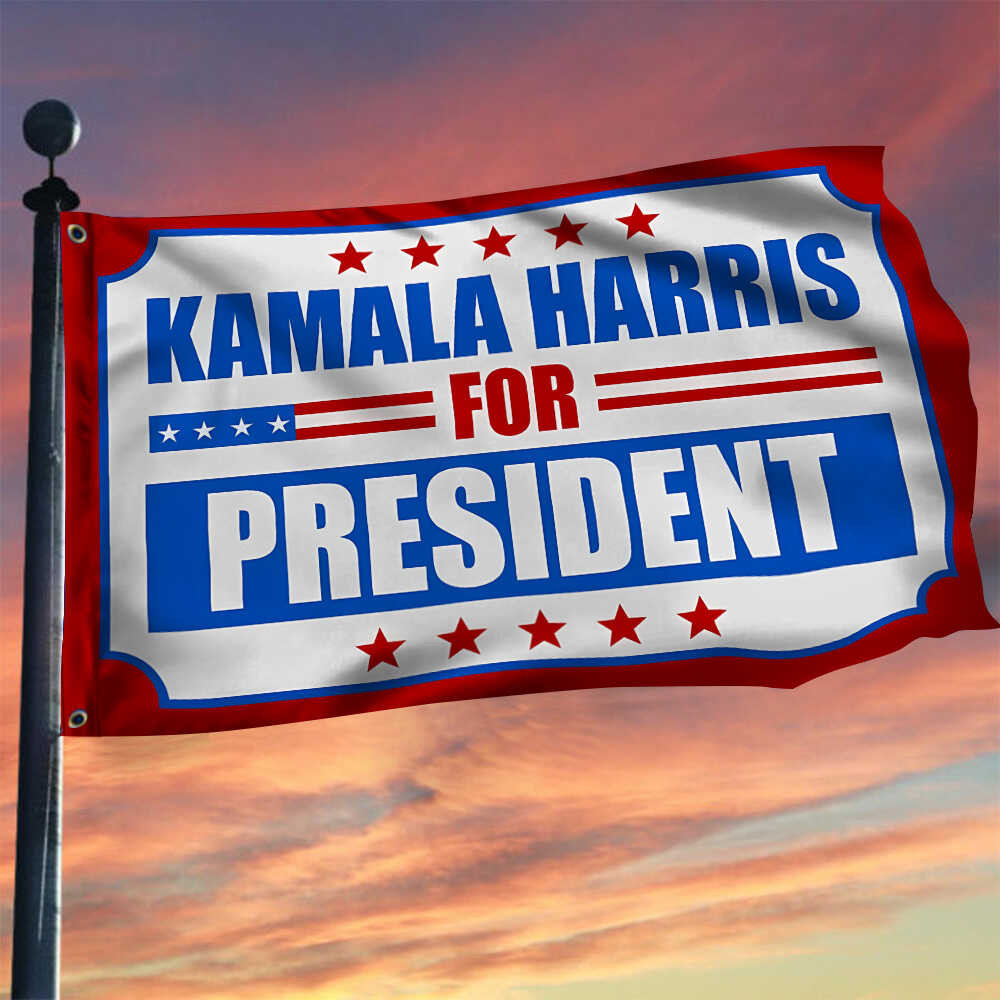
Need some good news? It is getting better all the time. A woman of color is waging a battle for the soul of America in the 2024 presidential election. She has fought for prison reform and bail reform. She has fought for women's reproductive rights. She truly is the best person for the job. And we all must do what we can to see that she is elected.
“I WILL NOT GO BACK.” - Another Old White Guy for Kamala Harris.
Thursday, September 12, 2024
How to talk yourself into something you never wanted to do, by Catriona
I'm going off topic today, but briefly, on trigger warnings . . .
My take is that upset, offence and discomfort are part of every life, but PTSD is rare and serious. When someone is triggered into an episode of PTSD, they re-experience trauma as severely as when they went through it for real. Worse perhaps, since you can't escape what you've produced inside your own head. There's no running away. So people with PTSD are adept at avoiding their triggers and, although that much vigilance can be exhausting, no sufferer would rely on an author note to protect them.
And now for soemthing completely different:
![]() |
| Buy links |
I've been guest-blogging and doing appearances for the US publication of THE WITCHING HOUR. Today is the last one, but you can catch up with me at:
- Jungle Reds, talking about comfort food
- Wicked Authors, talking about folklore (mostly the devil)
- Chicks on the Case, talking about houseguests
- Stiletto Gang, talking about in-laws
- BOLO Books, talking about the perfect village
- Dru's Book Musings, outlining Miss Cordelia Grant's typical day.
- The page 69 test, does what it says on the tin.
Here at home, on Criminal Acres, I'm reflecting. Mostly on the fact that I never wanted to write about WWII. When I wrote Dandy Gilver No.1, I set it in 1922, kind of early for the Golden Age, specifically so there was no chance I'd ever get there. Look how that turned out: The Witching Hour is No.16 and takes place in the spring of 1939, with both Dandy's son in uniform.
Ooft.
On the other hand, over the years I've been writing Dandy's approach to the period in history I never wanted to write about, I've read some brilliant home-front novels, some of which have made me believe a. I could do it and b. I might even enjoy it. Sort of to remind myself and thereby talk myself into saying yes to another book, then, here are my top 5.
5. Mrs Minniver, by Jan Struther.
But the book, not the film. (The film must be the least effort any American studio has ever made to suggest that something's taking place in Britain.) It's almost plotless, having started as a series of magazine articles, but it's full of detail about domestic life, with a few moments of high drama. I'd like to see Dandy in that kind of tight squeeze . . .
4. A Presumption of Death, by Jill Paton Walsh and Dorothy L Sayers
Dorothy L Sayers also wrote morale-boosting articles during the war, outlining the doings of Harriet Vane and the Wimsey family, and Jill Paton Walsh used them as a springboard for an absolutely brilliantly-plotted crime novel, with a clue I use in a workshop about how to plant clues. God, if I could put Dandy into a story like this one . . .
3. Glamour Girls, by Marty Wingate.
I read this to moderate a panel and was blown away. It's not really a home-front novel, since Rosalie is a pilot, but it's an absorbing and rewarding look at women's lives in those six years. It's not a mystery, but you'd never notice as you whip the pages past. Could one of Dandy Gilver's daughters-in-law be as intrepid as this . . .
2. Death of a Flying Nightingale, by Laura Jensen Walker
Mallory and Dolly can't be up in the air though (even if I could begin to get that much research right) because that book has just been written! Laura Walker's series debut, about the nurses who tend soldiers as they're airlifted back across the English Channel from the battlefields, came out last week. It is really, truly, seriously good. It destroys all the excuses about not being able to find a murder plot amongst the war action. Curses.
1. The Village, by Marghanita Lanski.
Now we're talking. This actually takes place on VE day, or rather night, as two women turn up for their - now unneeded - watch shift and realise that the close friendship they've come to share is over. Each is going back to her life on either side of the great class divide, suspended for the war but already reforming. I've spent sixteen books leading Dandy Gilver out of the narrow and rather prissy world she was brought up to perpetuate. I'd kind of love to see her reaction as it shatters in the face of a common enemy. Maybe . . . And I wouldn't need to discuss troop movments beyond what's in the papers . . . And rural Perthshire wasn't a target . . .
I seem to be talking myself into writing about the war. But, if I can have a bonus book, there's always:
Cx
Wednesday, September 11, 2024
Get your finger off the trigger by Eric Beetner
Your thoughts on authors asked to write Content/Trigger Warnings for their novels?
In short, I'm against it.
Most people take the approach that art should make us confront things, oftentimes ugly things. I think pure entertainment is the same way. I don't think art/entertainment needs to be confrontational, however. There is a difference. But the idea of "comfort zones" is absurd to me.
We all like what we like and there should be no obligation to read subjects we don't like or that make us uneasy. We all know our tastes and our limits for either violence or darker subject matter, which is what this usually boils down to. But yours and mine may differ. To provide some sort of warning plays to the lowest common denominator, or in this case, the most easily offended.
The thing about being offended is that it's all about the offendee, not the offender. Because, again, what you may find offensive or over the line might not be the same for me. I've certainly never written anything to be intentionally offensive, nor would I. But I also know I have books of mine, or just certain scenes, that aren't for everyone. Every writer does.
In the 1980s I bristled at the PMRC and their campaign to put warning labels on records. It was a form of soft censorship and I abhorred it then, as I abhor it now. Those were trigger warnings before we had the term. There is an implication there that what the artist has created is somehow beyond what "normal" people should be exposed to, and I reject the idea that anyone has the power to decide that for anyone else.
Subjects like suicide, mental illness, eating disorders, etc. that some people choose to flag with warnings to protect the incredibly small percentage of readers who might be "triggered" by the mere exposure to those ideas, I feel is a disservice to the vast majority of readers who accept these, admittedly difficult subjects, as a fact of life. Denying that bad things or bad people or bad actions exist won't make them go away.
I certainly feel like subject matter should be out in the open with any book/movie/story. I don't want to go into something expecting one thing and then be whiplashed with topics I didn't know were coming. But if I know a story deals with something like pedophilia, I know I will probably stay away because that's simply not entertaining for me. But if that's the story someone is compelled to write, putting a label on it stigmatizes the work in a way that I find unfair.
I'm an atheist and if a story goes too deep into a religious vibe, I'll probably start to tune out. Doesn't mean I shouldn't be exposed to those ideas or that I automatically close off a compelling story because make believe characters on a page think and behave differently than I do. That's why I read – to be taken to different worlds and shown different points of view. It's very likely that the very thing that triggers a reaction in me is the thing that will change how I see the world.
Where do you draw the line? Who are the trigger police? Is there an accepted list of triggers? Does that list keep expanding until one day anything to do with death or violence is a trigger? Because that's the day when every single crime and mystery novel gets a label.
In the end, putting warning labels on music did nothing to curb the content. If anything it made the offending material more enticing to exactly the crowd they were trying to "protect". I feel that trigger warnings are likely just as ineffective in the end. That would seem to make the case for putting them on so people who want to ignore them can do so. I do feel like it can have the chilling effect of perhaps a bookstore not shelving a book with a warning. Or at least keeping it off the front table, hiding it in the back with the other "bad" books.
If that starts happening, if I need to be escorted to a special section of the store to find many of my favorite authors, then I think I'll be triggered.
EDIT: As soon as I scheduled this post I got this notice from Blogger:
I guess we're already living in a trigger warning world.
Tuesday, September 10, 2024
Honey Badger Here by Gabriel Valjan
Monday, September 9, 2024
Reader Beware: The Meaning of Trigger Warnings
Q: Your thoughts on authors asked to write Content/Trigger Warnings for their novels?
from Susan
I don’t know what to say about this. I write – and read – crime fiction. I expect there to be crimes, murders, scary moments, bad behavior, evil people. To that end, I try to read enough about the story to know if I will definitely avoid it or not. I try to skip books where a child is murdered, but recently read a really good story where that happens because I know the author and her work, and I was confident she would handle the necessary plot points with care. I definitely skip novels where torture is likely going to play a role, which means most stories featuring Nazis at work get a pass from me. But the massive hit All the Light We Cannot See, while scary and, yes, replete with despicable Nazis, was worth it to me – skipped over a few pages here and there – because of the luminous portrait of the young girl and her protector. Sadism is an absolute no for me, but if I stumble upon it in a book, I just close the book and throw it in the trash (don’t want to pass the poison on, thank you!).
What exactly is a trigger, anyway? Does it mean the reader has an immediate and serious psychological response based on their own or a loved one’s experience that may cause them pain and suffering? And if someone understands the damage coming across something that causes this may happen, does he or she take special care to learn about the story before opening the book? I do believe and have great sympathy for people whose experiences have hurt them this badly. So, I can’t object to trigger warnings.
What I wonder is how to present them so they don’t scare away readers? I also wonder if warnings can cover all real causes of fright and pain? If every crime fiction story has, in addition to its cover teaser prose, has to say something like “Be warned, the material in this work of fiction includes references to and descriptions of strangulation, gun violence, beatings, disappearance of a child, attempted rape, corrupt police personnel, attacks on senior citizens, and house invasion” will anyone choose to read that book? Will it sound over the top grim? Will libraries refuse to purchase it? My point is people have such varying, honest, emotional triggers based on terrible experiences that publishers may in future feel trigger warnings must be included on every work of crime fiction to avoid litigation, that great American tradition.
Tricky, thorny, sad, even tinged with politics these days. So, as I say, I’m not sure what I believe in answer to this question and will just have to wait until someone decides it for me.
![]() |
| Beware: guns are fired, a drowning occurs, a kidnapping happens |
![]() |
| Alert: a senior citizen is attacked, a dog is kidnapped |