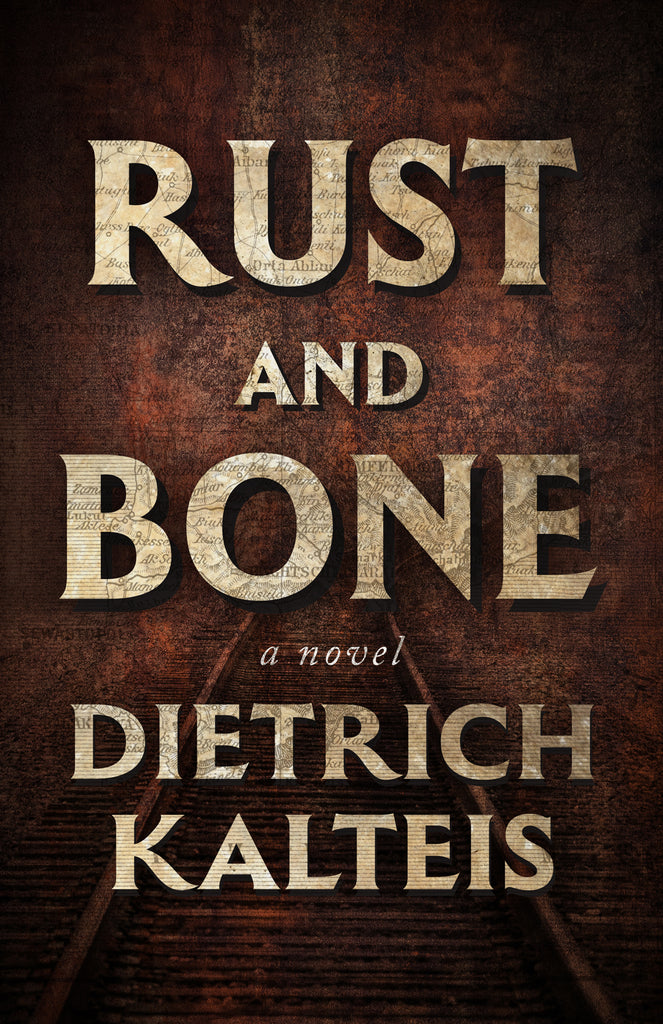
How do you see AI changing the landscape for better or worse for authors?
Oof. I might not answer the question, actually. It's been answered better than I could do already this week (scroll down).
 |
| spoiler from my latest author's note. |
Instead, I'll take a swing at why the environmental cost, uninvited daily intrusions, wholesale theft, sneaky lying, cheating, whining about getting caught lying and cheating, and all the rest of it are such a brain-frying, heart-sinking source of despair. I mean, it's not like we're short of those coming at us from elsewhere.
It's because it's junk. Worthless, dispiriting, empty junk. It's a lot of money and water and lawsuits for something with no value.
I get a bit stumped when asked to back that up, mind you. It's one of those situations where if you ask the question, you might not be equipped to understand the answer. The best example I've ever heard of that kind of conundrum was years back when a student nurse asked why she had to sit with a dying patient who wasn't conscious and wouldn't know whether there was anyone there or not. The boss nurse checked - "You're asking what the problem is with someone dying alone in a room on this ward instead of with someone at her bedside?"
See?
If you ask that question you might not be equipped to understand the answer. (Or be a nurse.)
But I'll try again anyway. Ahem. Stuff being fake matters.
There was a landmark bit of sociological research published years back that encapsulated it perfectly.
Basically, there was an investigation of levels of pilfering by staff of two different supermarkets. One lot had pockets in their uniforms and one lot didn't. Guess which cohort of workers was discreetly easing cash out of the till and products off the shelves. Yep - the ones who had to go to all the trouble of stuffing pies down their tights because they had no pockets.
So the supermarket with the theft problem decided to redesign their uniforms. But they couldn't bring themselves to actually give the sticky-fingered workers real pockets to fill with swag, so they faked them. Plackets a-go-go but no pouch.
The theft got worse.
Stuff being fake matters.
It would be an appalling end to this long tradition of human creativity if "unregulated" market forces caused art, music and literature to be replaced by cheaper, quicker fakes because people who don't get it don't get it and they're rich. It would be like Timothee Chalomet somehow managing to shut down the Vienna Opera House and the Royal Ballet, with a Beavis-and-Butthead-style snigger of proud, affectless ignorance.
And make no mistake. They are fakes. Every unit of extruded novel-length language-substitute, every twelve-fingered grandma illustrating a heart-microwaving tale on Facebook, every response to a Google search where you forget to type -AI into the box . . . fake.
Those AI summaries don't contain information. ChatGPT doesn't answer questions. Those pixels don't add up to a granny. What you're being served is a simulation of what information, answers, and grannies look like.
You can check this for yourself, if you're quick. I got the chance very recently. Small Prophets, MacKenzie Crook's follow-up to Detectorists was broadcast on British telly to rave reviews. The next day, I googled "Where can I watch Small Prophets in the US". For a minute I thought I had got the answer: "Small Prophets is available in the US on Netflix, Amazon Prime, Disney+ and Hulu."
Wow. Crook sold it four times into the same market? That's . . . surprising.
Silly me. I had forgotten to type -AI and I'd got a fake version of what the answer to that question would look like, using terms that turn up in real anwers to that general kind of question. Before enough people asked that specific question, about that specific weird little British sitcom, this was the best the poor AI could do.
It's learning. Now it's reporting Amazon Prime Video and Netflix only. Utter tosh, of course. It's not available anywhere in the US, but Netflix and Amazon are just too frequent a pair of answers and it's such a niche little show . . . the slop's going to win this one every time.
Right, I'm off to make macaroni and cheese with five ingredients - pasta, butter, flour, milk, cheese - or three if I can call pasta and flour "wheat" and milk, cheese and butter "milk". And, if the blue box people get to call what they recover from waste anatto by-product via indstrial solvent extraction processes "anatto", I think I probably can.
Cx

Greggs go-cup to prove I'm not *that* snooty