
Do you write with multiple narrators? If so, do they have distinctly different voices? And if you don’t use multiple narrators, here’s a question for you: Which do you prefer to write—and to read—first person or third? Which feels more powerful? More trustworthy? More interesting? Easier to write? More fun?
By Dietrich
I like to use multiple narrators to explore the colliding perspectives within a story. Shifting viewpoints allows readers to see the same event through contradictory lenses, keeping tension high and the pace moving.
Jumping between characters reveals their motivations, blind spots, and raw desperation. It makes time jumps and location changes feel organic while staying rooted in character. I often experiment with blending first- and third-person in early drafts, but I eventually commit to whichever serves the story best.
Making characters distinct is key. In the early stages, I work at it; once they come alive, they take over and do much of the work themselves.
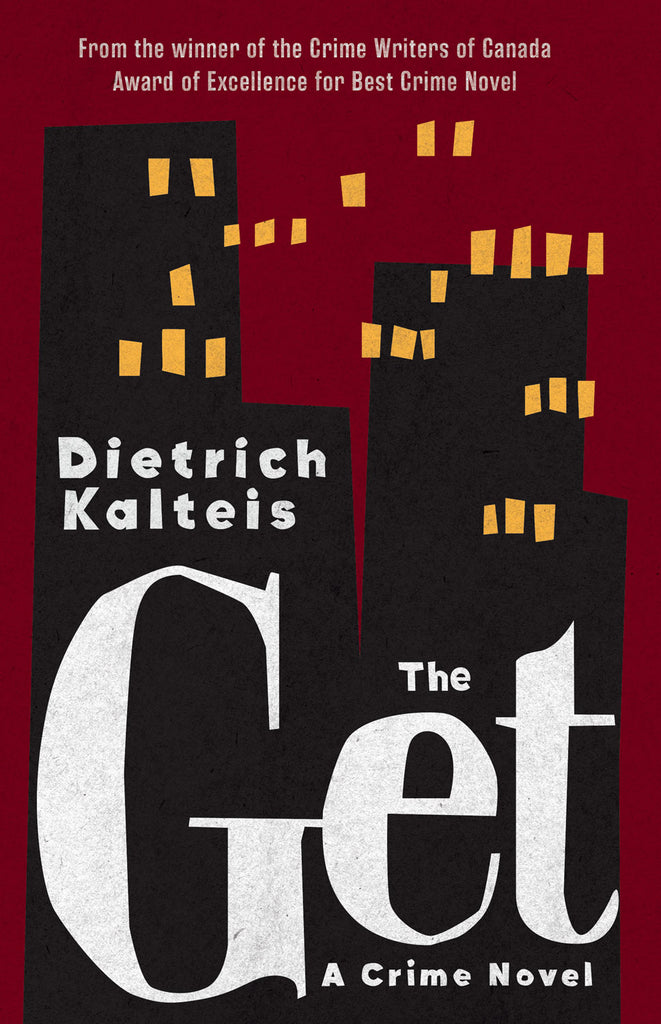
I aim for a neutral narrative voice—tight, punchy, and free of authorial intrusion—unless I’m deep inside a character’s head. An older, world-weary ex-cop might think in the gravelly, resigned rhythms of Nobody From Somewhere. A reckless young crook might sound jittery and profane, like in The Get. The shady figures in Crooked offer a chilling casualness that "good guys" lack. Whether male or female, young or old, the goal is authenticity—not slight variations of the same voice.
I gravitate toward the third person. It provides the freedom to move the camera, weave subplots, and build suspense through what characters don’t know. First person is intimate and immediate—putting the reader in the shotgun seat—but it can feel restrictive with a large ensemble cast.
Sometimes I experiment with both to heighten contrast: raw confession in first person against cooler observation in third. A great example of this is Slaughterhouse-Five.
Which is more powerful? For me, third person usually wins. It delivers gut-punch revelations while letting the subtext breathe. As for trustworthiness, neither is inherently reliable—unreliable narrators exist in both. However, first person feels more seductive because the reader is trapped inside a potentially warped worldview—think A Clockwork Orange or The Catcher in the Rye.
Third person feels smoother to write, like directing an ensemble cast rather than performing a monologue. It allows for more complexity and surprise. Still, I can’t imagine the masterpieces of Raymond Chandler or James M. Cain working in anything but first-person.
The narrator’s voice must serve the story, not overshadow it. I’ve scrapped early drafts to switch perspectives when the original approach didn’t click. I try to keep my own views in check, though a sliver often sneaks in.
It’s about staying fresh and avoiding the same old road. If the voice doesn't pull me in while I’m writing, it won’t pull the reader in either. Fiction thrives on a voice that is distinct, honest, and sometimes dangerous. When it clicks, the whole thing sings.

No comments:
Post a Comment