
Acknowledgements vary between a terse paragraph and pages of prose. How do you manage them? (And do you read them in others' books?)
By Dietrich
Sometimes a single paragraph does the job (“Thanks to my editor, my agent, and the usual suspects”), other times acknowledgements want to sprawl across pages. Both can feel right—or wrong—depending on the book and the author.
I keep a running list while I write. Names, specific help, the moment someone said the exact thing that unlocked a piece of the puzzle. When the manuscript is done I sort the people without whom the book wouldn’t exist, and the people who made it better with their encouragement, help and patience.
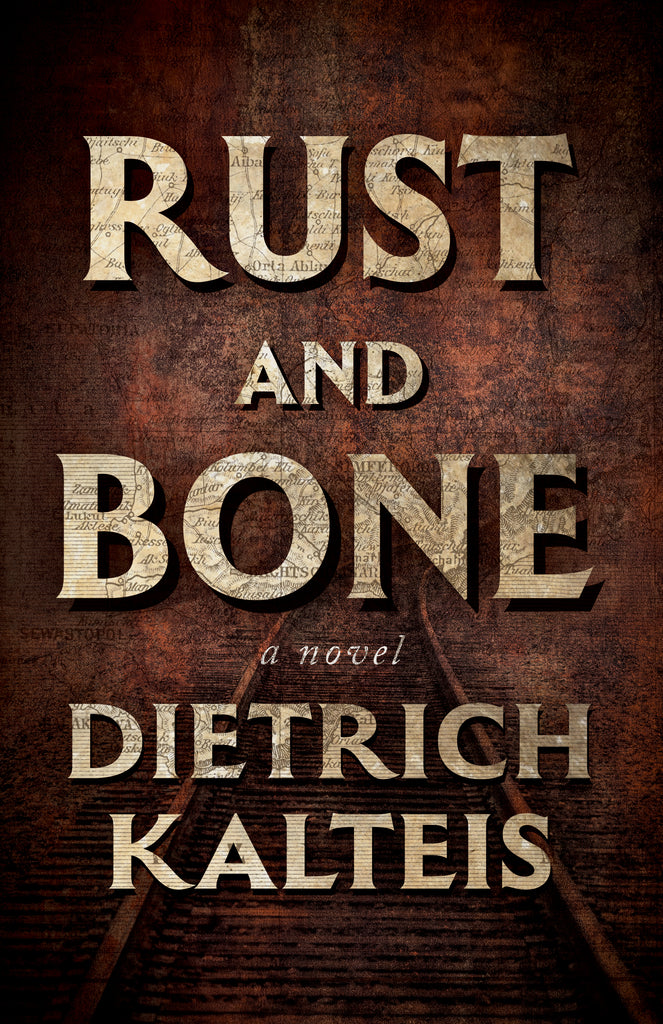
There is one pitfall. I’ve been with the same publishing house for 14 titles and counting, spanning more than a dozen years. The same core team—editor, publicist, art director, copyeditor—appears over several titles. So, it’s easy for the acknowledgements to sound repetitive, the same phrases recycled until they start to sound obligatory rather than heartfelt. The risk isn’t just boredom for the reader; it’s that the people I’m thanking begin to feel my gratitude is on autopilot. So I look for concrete details each time: the exact note that fixed a structural flaw, the cover concept that finally clicked, the quiet support during a rough patch that no one else saw.
Freshness keeps it honest.
I usually decide early whether the acknowledgements will be public performance or private gratitude. Some readers treat them as part of the reading experience; others skip straight past. I write them primarily for the people named, secondarily for the curious reader who likes to see the scaffolding.
And yes, I almost always read them in other people’s books. Not for the thank-yous themselves, but out of curiosity. I can learn something deeper about an author, who they credit with hard truths, how they talk about collaboration and so on. Depending on the book, the acknowledgements can seem like the most revealing pages between the covers.
Sometimes they can be funny and inventive too. Here are a few good ones:
Sue Coletta’s from Cleaved:
A special thank you to all the men and women in law enforcement…
…and Alexandria Taxidermy for the plethora of information about deer antlers. You all went out of your way, and I’m so grateful.
“I spoke with other members of NH Fish & Game, too. You know who you are…thank you for dealing with a crazy crime writer who forgot to mention the deceased was, in fact, fictional when calling in a report of a body in the marsh. That situation could’ve gone a total different way!”
From Christopher Currie’s The Ottoman Motel:
“If it’s possible to fall more in love with someone every day, then that’s what I do.
To my favourite, to the reason I live my life, Leesa Wockner, who, if she reads this, I hope will agree to marry me, despite the number of commas in this sentence.”
And from Nelson DeMille’s Wild Fire”:
“So, on the off chance that this is helpful, I wish to thank the following people: the Emperor of Japan and the Queen of England for promoting literacy; William S. Cohen, former secretary of defense, for dropping me a note saying he liked my books, as did his boss, Bill Clinton; Bruce Willis, who called me one day and said, “Hey, you’re a good writer”; Albert Einstein, who inspired me to write about nuclear weapons; General George Armstrong Custer, whose brashness at the Little Bighorn taught me a lesson on judgement; Mikhail Gorbachev, whose courageous actions indirectly led to my…”

2 comments:
Yes, the acknowledgements can sometimes include a huge surprize. Thank you! All the best, Charlotte
Thanks, Charlotte.
Post a Comment